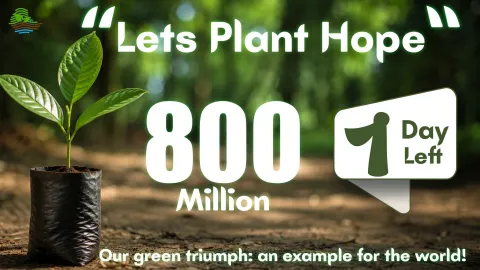

Green Legacy Ethiopia is a nationwide environmental restoration and tree-planting initiative launched in 2019 to restore degraded landscapes, expand forest cover, strengthen biodiversity, and promote sustainable environmental stewardship. The initiative encourages participation from government institutions, local communities, schools, businesses, civil society organizations, and members of the Ethiopian diaspora.
Project of Promise
Tourism technology and hospitality innovation projects use digital tools to improve travel planning, hotel services, online booking, visitor information, and tourism experiences. These initiatives support the modernization of Ethiopia's tourism industry and can help connect local tourism businesses with domestic and international visitors.
Tourism development in the Simien Mountains focuses on sustainable nature-based tourism and the protection of the area's unique landscapes and wildlife. The destination attracts visitors interested in hiking, wildlife, and natural heritage. Responsible tourism can support conservation and create economic opportunities for surrounding communities.
Lake Tana is a major tourism destination in Ethiopia known for its natural environment, islands, historic monasteries, and cultural heritage. Tourism development around the lake aims to improve visitor experiences while supporting heritage conservation, local businesses, and community livelihoods.
Tourism development in Lalibela focuses on protecting and promoting the town's internationally recognized cultural and religious heritage. The area is known for its historic rock-hewn churches and attracts visitors from Ethiopia and around the world. Tourism development can support heritage conservation, local businesses, employment, and community livelihoods.
Diaspora-funded healthcare projects support medical facilities, equipment, health services, and community health activities. These initiatives demonstrate how diaspora contributions can help strengthen healthcare delivery and improve access to health services.
Diaspora-funded education projects support schools and learning facilities through financial contributions, equipment, infrastructure, and other resources. These projects can improve learning conditions and expand educational opportunities for communities in Ethiopia.
Waste management and circular economy initiatives aim to improve waste collection, recycling, reuse, and resource recovery. These projects can reduce environmental pollution, create employment, and encourage more sustainable use of materials in Ethiopian cities.
Community development initiatives support local communities through projects that improve access to services, infrastructure, education, health, livelihoods, and public spaces. These initiatives help communities address local priorities and improve living conditions.
Youth development programs in Ethiopia support young people through education, skills training, entrepreneurship, employment support, sports, and community activities. These initiatives aim to help young people build skills and create better opportunities for their future.
Community projects supported through diaspora contributions help address development and social needs in Ethiopia. Activities may include education, healthcare, community facilities, and support for vulnerable groups. These initiatives demonstrate the potential of diaspora resources to create positive social impact.
Construction and property technology initiatives use digital tools and modern technologies to improve construction, real estate management, building design, and property services. These solutions can help increase efficiency, improve access to property information, and support modern urban development.
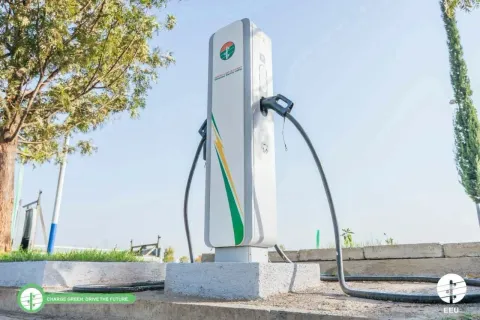
E-mobility initiatives in Addis Ababa support the transition toward cleaner and more efficient transportation. These initiatives include electric buses, electric vehicles, charging infrastructure, and related technology. They aim to reduce emissions and support a more sustainable urban transport system.
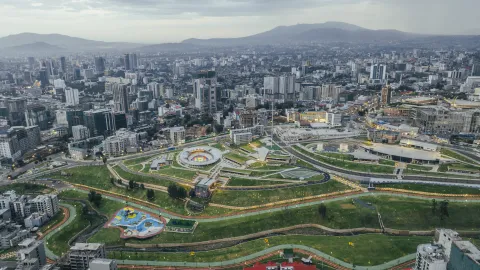
The Kebena Riverside Development Project focuses on improving the environmental condition and public use of areas around the Kebena River. The project supports riverbank improvement, landscaping, public spaces, and better urban environmental conditions. It is part of wider efforts to improve Addis Ababa's river corridors.
The Riverside Development Program represents Addis Ababa's broader efforts to improve river corridors and create better public spaces along the city's waterways. The program focuses on environmental restoration, flood management, landscaping, recreation, and improved access to riverside areas.
Integrated housing development projects in Addis Ababa aim to increase access to residential housing and support the city's growing population. These projects combine housing construction with related infrastructure and community services and form part of efforts to address urban housing demand.
The expansion of Addis Ababa Bole International Airport supports the growth of Ethiopia's aviation sector and international connectivity. Improvements to airport infrastructure help increase passenger capacity, strengthen tourism, support trade, and improve Ethiopia's position as a major aviation hub in Africa.
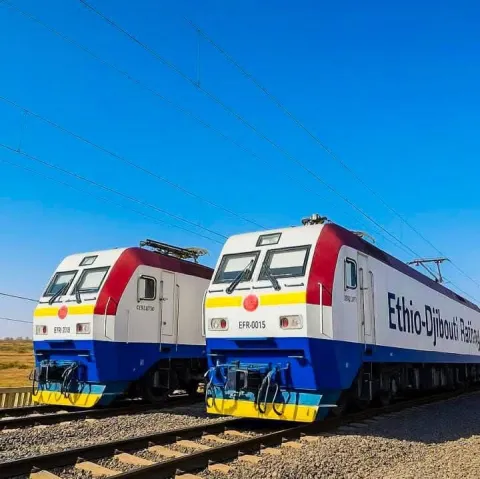
The Addis Ababa–Djibouti Railway is a major regional railway connecting Ethiopia's capital with the Port of Djibouti. The railway supports the movement of people and goods and provides an important transport link for Ethiopia's international trade. It is a major infrastructure project connecting Ethiopia to global markets.
Food processing and agribusiness innovation projects focus on adding value to agricultural products through modern processing, packaging, storage, and distribution. These initiatives can support farmers, create jobs, reduce post-harvest losses, and strengthen Ethiopia's food and manufacturing industries.